




Website Design and SEO: Why Your Business Needs Both to Grow Online
IN THIS ARTICLE
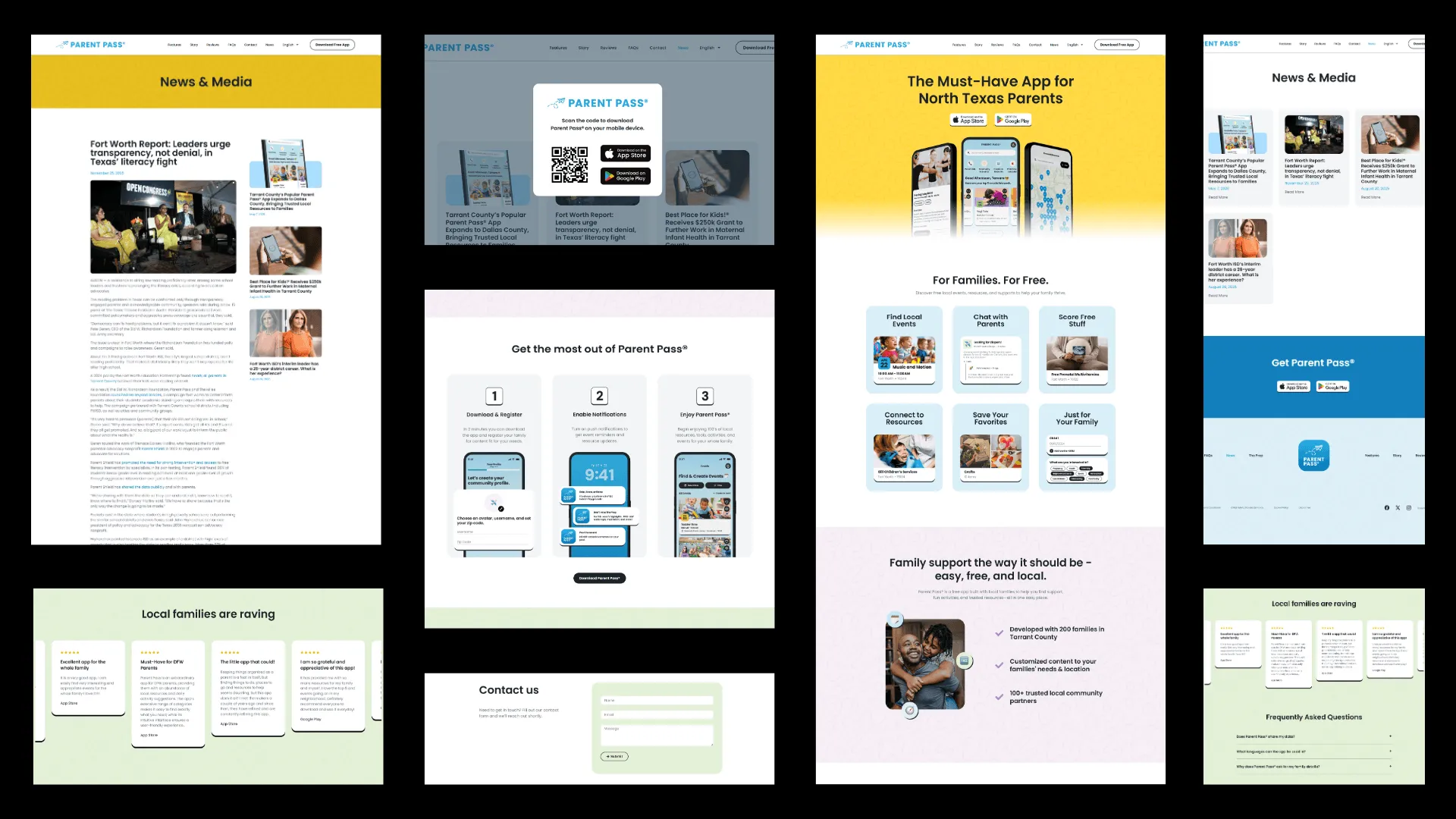
Your website and SEO should not be separate efforts. Website design helps visitors understand and act on what your business offers, while SEO helps relevant prospects find the pages that answer their needs. Planning both together creates a clearer path from search to inquiry, sale, or other meaningful next step.
| Area | Primary focus | Business consideration |
|---|---|---|
| Website design | Help visitors understand the business and complete a next step | Use clear navigation, readable content, and focused calls to action. |
| SEO | Help relevant searchers discover useful pages | Plan pages around customer questions and search intent. |
| Technical setup | Support accessible, functional pages for users and search engines | Review crawlability, mobile experience, links, and key website journeys. |
| Content | Answer questions and connect needs to services | Create service information and educational resources with distinct purposes. |
Website design and SEO work toward the same business goal
Website design and SEO are often treated as separate projects: build a website first, then try to attract traffic later. In practice, they work best as one strategy. SEO helps the right people discover your business through search, while website design helps those visitors understand your offer and take a next step. A site that is difficult to find cannot generate much search-led opportunity, and a site that is hard to use can lose visitors even when it earns visibility.
Good design gives search visitors a clear path
A business website should quickly answer a visitor’s practical questions: What do you do? Who do you serve? Why should they contact or buy from you? What should they do next? Clear page hierarchy, readable copy, focused service pages, logical navigation, and prominent calls to action make those answers easier to find. For example, a local service business may need distinct pages for core services, service areas, contact information, and frequently asked questions rather than one broad page trying to cover everything.
SEO should shape the site structure before launch
Search engine optimization is not simply adding a keyword to a page after the design is complete. Keyword research can reveal the terms and questions prospective customers use, which helps determine the pages a site needs. A well-planned structure may include pages for primary services, supporting services, industry-specific needs, locations where appropriate, and educational resources. Each page should have a distinct purpose and avoid competing with other pages for the same search intent.
Technical foundations affect usability and discoverability
A strong site also needs dependable technical foundations. Search engines and users benefit when pages can be crawled, important content is accessible, links work, and the experience functions well on mobile devices. Website migrations and redesigns deserve particular care because changing page addresses, content, navigation, or platform settings without a plan can create avoidable visibility and usability problems. Preserve valuable pages where appropriate, map changed URLs, review redirects, and test key journeys before and after launch.
Content connects buyer questions with your services
Useful content supports both SEO and conversion. Service pages explain how your business helps, while articles, guides, and FAQs can address questions that arise earlier in the buying process. The goal is not to publish content for its own sake. Focus on topics your prospective customers genuinely need to understand, such as how to compare options, prepare for a project, evaluate a provider, or avoid common mistakes. Then connect relevant educational content to the service or next step it supports.
Measure the full journey, not just traffic
More visitors alone do not define success. Review whether people reach relevant pages, engage with important information, submit forms, call, request consultations, or complete purchases. These observations can identify practical improvements, such as clarifying an offer, simplifying a form, strengthening a call to action, or creating a page for an underserved customer need. SEO and design improvements should be reviewed over time because search demand, business priorities, and customer questions can change.
Build a coordinated plan for your next website project
Whether you are launching a new WordPress website, redesigning an existing site, or improving an ecommerce experience, treat design, content, technical setup, and SEO as connected decisions. Start with the audiences and actions that matter to the business, build pages around real search intent, and make it easy for visitors to move from question to next step. DLR Vortex Solutions helps businesses align website design, SEO, ecommerce, and digital systems around practical growth goals. Ready to discuss a coordinated website and search strategy? Schedule a consultation today!
PUT IT INTO PRACTICE
Your next steps
- Define the audiences, services, and website actions that matter most to the business.
- Map primary services and customer questions to distinct, useful pages.
- Review navigation, mobile usability, calls to action, forms, and key conversion paths.
- Create a plan for preserving or redirecting changed URLs during a redesign or migration.
- Review search visibility, page engagement, and meaningful conversion actions after launch.
CONTINUE THE CONVERSATION
Schedule a consultation today!
Recent Posts


November 20, 2026
Ecommerce Product Page SEO: A Practical Optimization Checklist

November 19, 2026
How to Reduce Cart Abandonment on a WooCommerce Store
Related Articles
Technical SEO Audit Guide: How to Find and Prioritize Website Problems
Warning: Undefined variable $taxonomy in /home/u765721910/websites/azJno66uV/public_html/wp-content/themes/bw-digiflow/bzotech-templates/posts/grid/grid-style2.php on line 50


Leave a comment